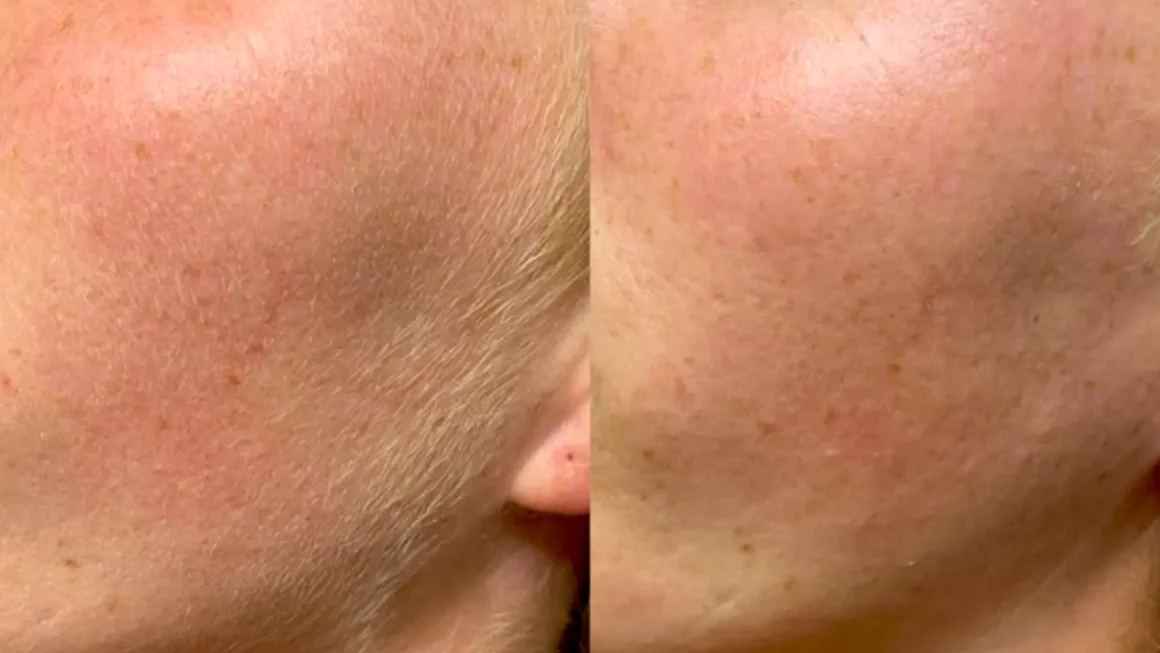
If you’ve ever watched someone glide a scalpel across their face on TikTok and thought, “That can’t be safe… can it?” — you’re not alone. Dermaplaning might look a little intense, but it’s far from a backroom beauty trend. In fact, more and more dermatologists are speaking up about its benefits (and boundaries). So today, we’re answering the big question: what do dermatologists say about dermaplaning?
As skin therapists ourselves, we’ve seen dermaplaning shift from occasional add-on to standalone glow-up in Brisbane’s beauty rooms. One of our masters of cosmetic procedures with Uliana Kasperska, has performed countless dermaplaning sessions tailored to delicate skin types and varying skin concerns. But the science — and safety — behind it matters. Let us walk you through what actual professionals say, what we’ve observed in-studio, and how to know if dermaplaning is the right move for your skin.
What Is Dermaplaning?
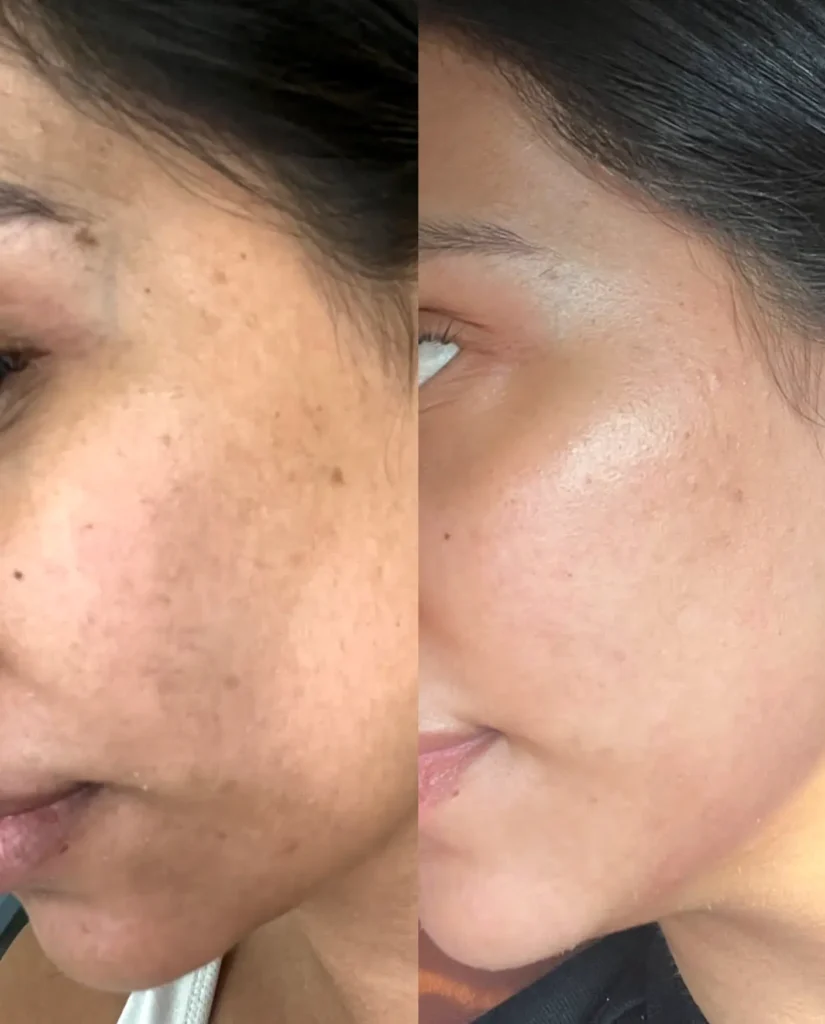
Before we dive into the dermatology side of things, let’s get clear on what dermaplaning actually is.
Dermaplaning is a non-invasive exfoliation method where a trained practitioner gently scrapes off built-up dead skin cells and peach fuzz (a.k.a. vellus hairs) using a sterile, surgical-grade blade. It’s not shaving your face with a pink razor — it’s a precision, surface-level treatment that removes the outermost layer of skin (the stratum corneum) to reveal a smoother, brighter layer of skin underneath.
What Are the Claimed Benefits?
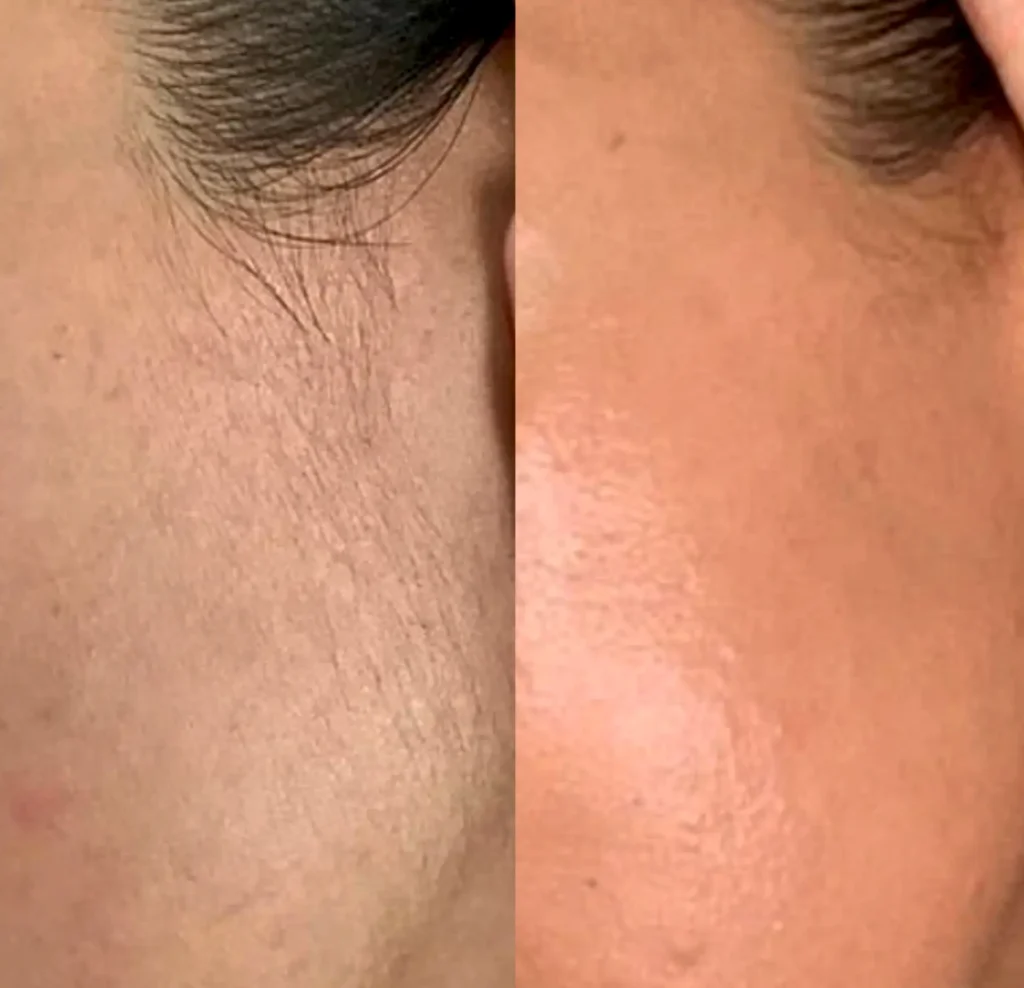
- Smoother skin texture
- Brighter complexion and even skin tone
- Better absorption of skin care products
- Makeup goes on like silk
- Immediate glow with no downtime
- Reduction in dull skin, flaky skin, and prominent skin concerns
What Skin Types Is It Best For?
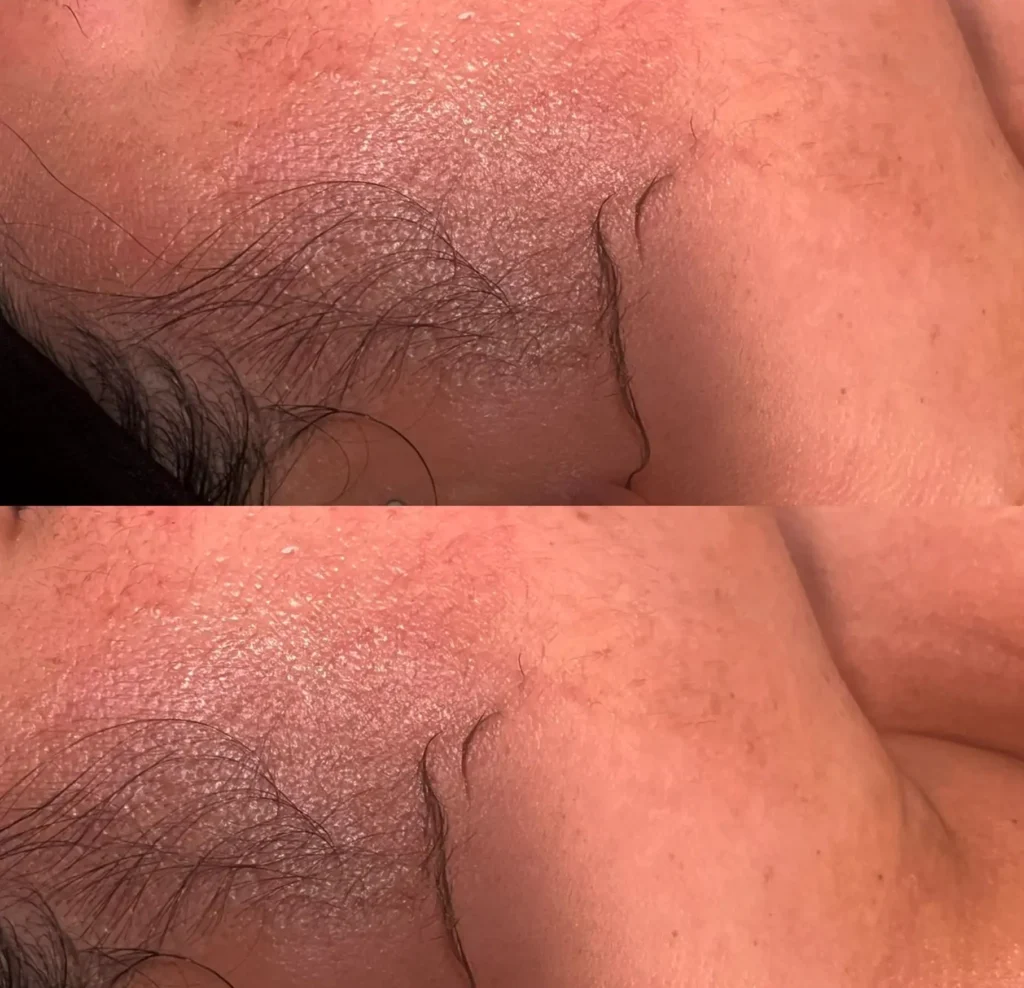
Dermaplaning is generally safe for:
- Normal to dry skin types
- Dull or uneven skin tone
- Mature or delicate skin
- People with peach fuzz or baby hairs
It’s not ideal if you have:
- Active acne or pustular acne lesions
- Inflamed skin conditions like rosacea or eczema
- Irritated skin, severe skin issues or skin infections
- Highly sensitive skin types or ongoing treatments
We always recommend a consultation to assess individual skin conditions and health history.
What Dermatologists Say
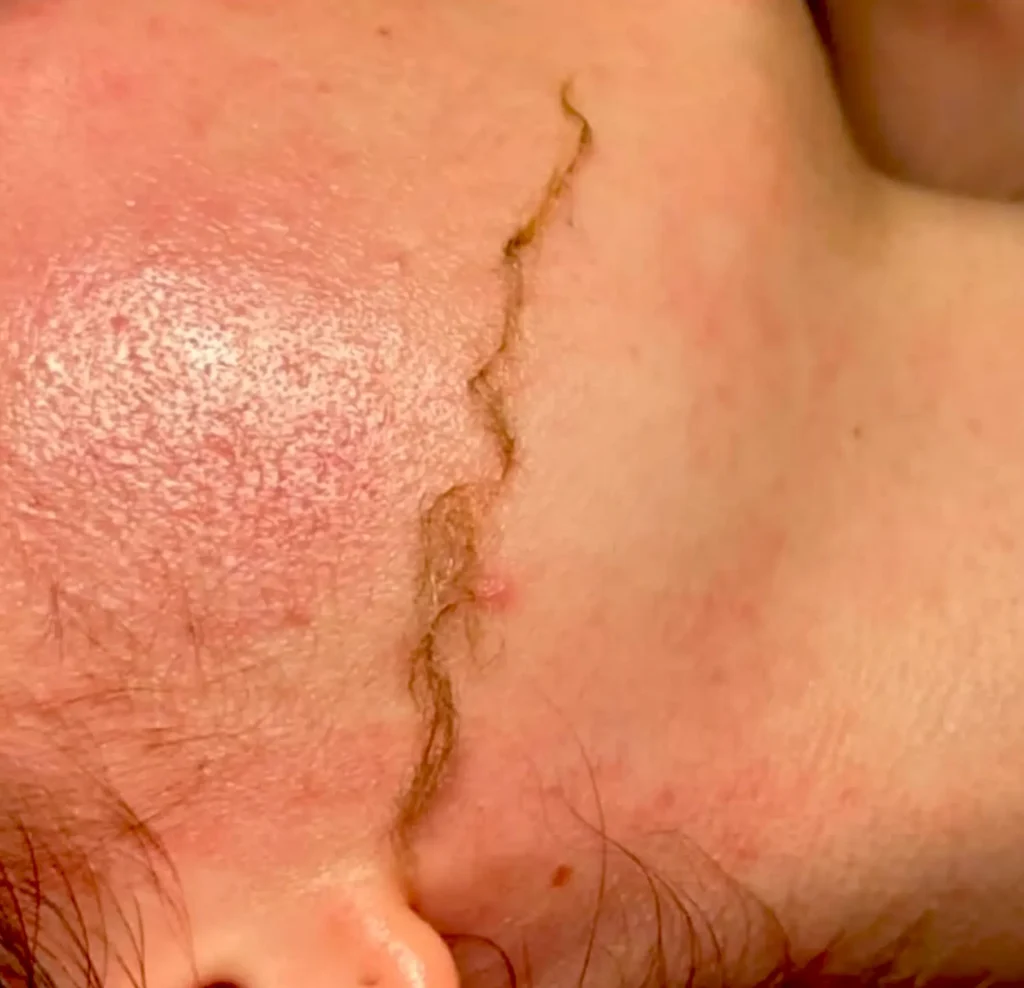
1. It’s Safe — When Done Professionally
According to board-certified dermatologists, dermaplaning is a low-risk cosmetic treatment when done by a licensed professional using sterile, professional-grade tools.
Board board-certified dermatologist and skincare educator says using blunt or cheap razors at home increases the risk of irritation and uneven results. “Professional dermaplaning uses surgical blades designed for exfoliation, not drugstore razors,” he says.
In our Brisbane studio, we use new, sterile, surgical-grade blades per client. Clean skin, gloved hands and a sanitised treatment space are non-negotiables.
2. It Won’t Make Hair Grow Back Thicker
Let’s get this straight: your peach fuzz will not grow back darker, coarser or more unwanted hair.
Dermatologists confirm this is a myth. Dermaplaning only removes vellus hairs — the fine, translucent hairs that cover most of your face. These don’t have the same follicle structure or hair density as terminal hairs (like your brows or lashes), so they won’t change in colour or thickness.
3. It’s Good for Dullness and Dryness
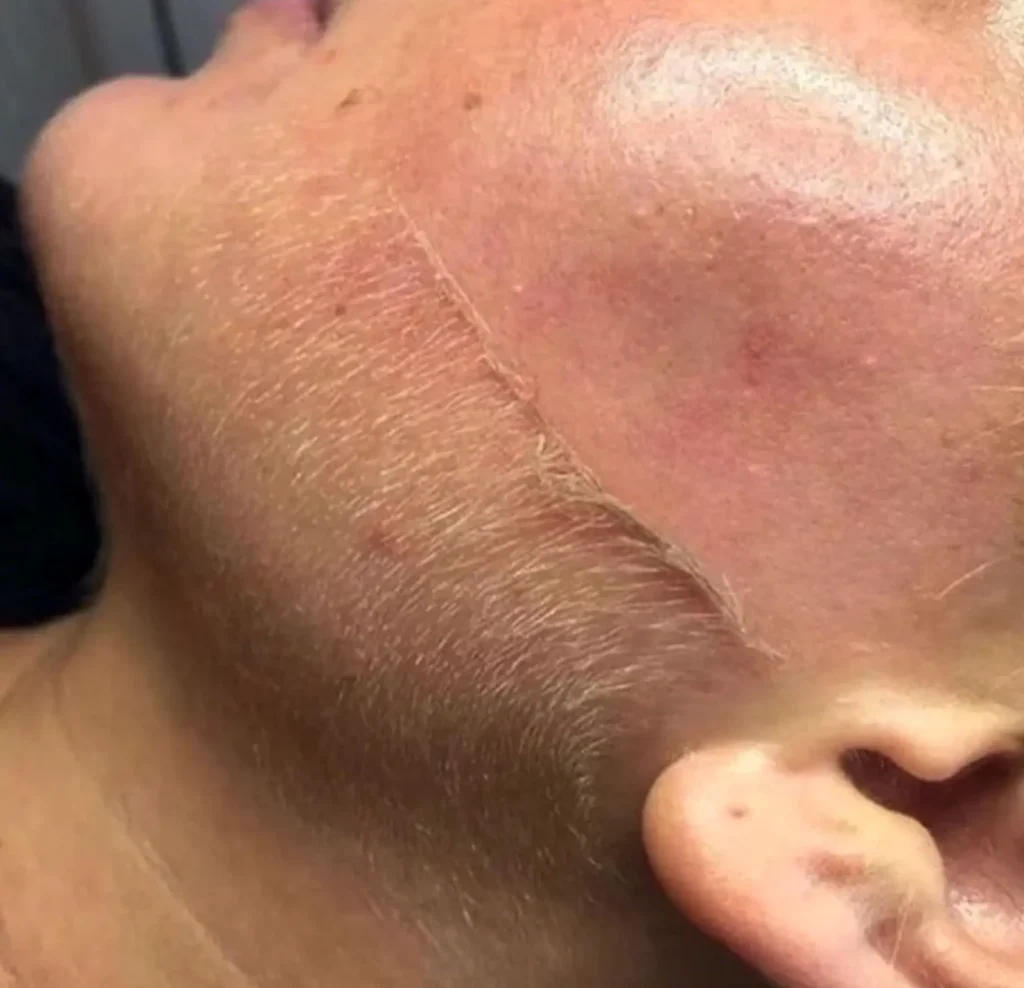
Removing the top layer of dead skin and debris reveals brighter skin and helps reduce skin dullness. It also allows skin care products to penetrate deeper.
We recommend dermaplaning to clients prepping for an event or as part of anti-aging and resurfacing treatments.
4. Not for Everyone
Dermaplaning isn’t for everyone. “Patients with inflamed skin conditions, severe acne or deep acne scars may benefit more from other skin treatments like chemical peels or lasers.”
It’s also not for those with:
- Active skin issues
- Bumps around hair follicles (ingrown hairs)
- Certain skin growths or major skin care issues
Is Dermaplaning Just a Trend?
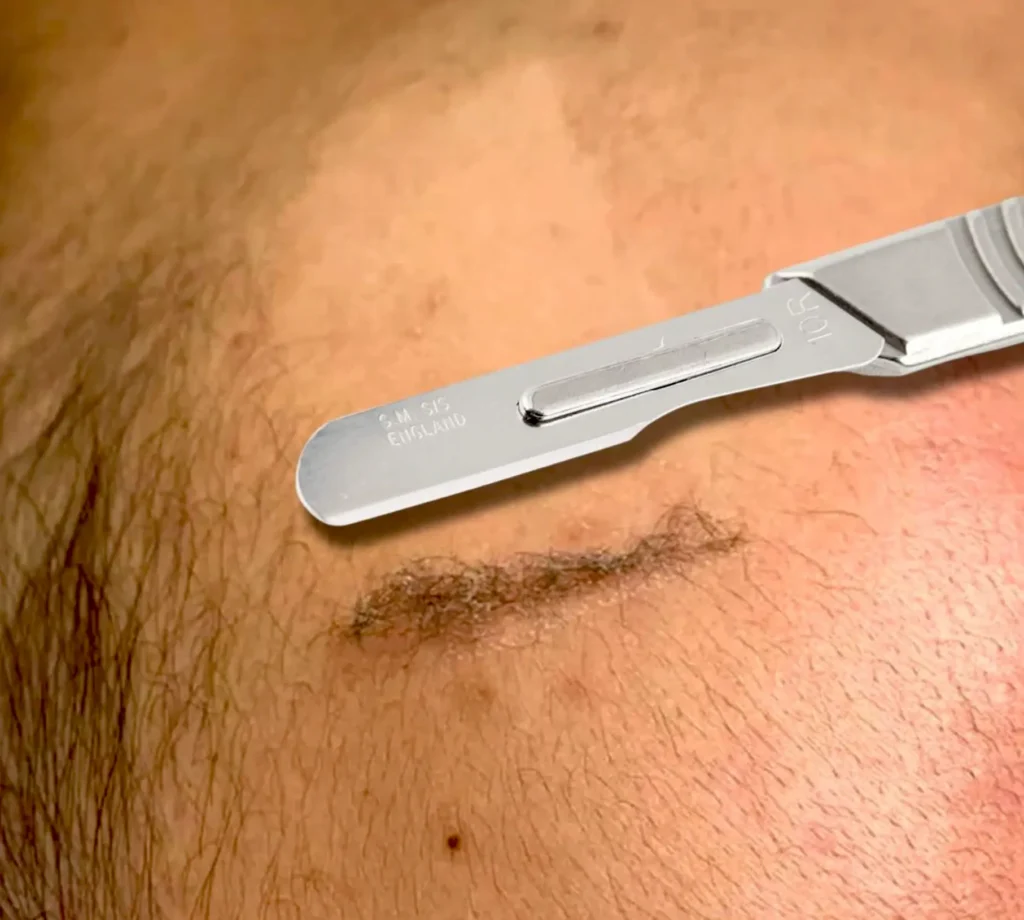
For those looking for a way to refresh their skin, dermaplaning Brisbane clinics is a safe and effective option to consider.
Not quite. While TikTok made it go viral, dermaplaning has been part of professional skin resurfacing treatments for decades 2025 and it’s more relevant than ever. High humidity in Brisbane and SPF use create the perfect conditions for clogged pores and dull skin. That’s where dermaplaning comes in.
Skin Care Trend: Exfoliation Boost
According to 2025 data from Australia’s Skin Refinery Report, manual exfoliation services like dermaplaning have increased 21% in metro areas since 2023. Demand is highest among 25-45 year olds with skin concerns of dryness to skin discolouration, and uneven skin tone.
Treatment Timeline
Here’s what a typical dermaplaning facial session looks like:
| Step | What Happens | How It Feels |
|---|---|---|
| 1 | Cleanse and prep | Cool, fresh |
| 2 | Gentle dermaplaning with a surgical blade | Light scraping, no pain |
| 3 | Soothing hydration or fragrance-free moisturiser | Cooling, calming |
| 4 | SPF and barrier repair | Protective, light moisture |
Post-Treatment Glow Timeline
- Day 1: Instant glow, smoother skin
- Day 2–3: Skin brightness peaks
- Day 4–7: Skin cell turnover resumes, glow softens
Most clients rebook every 4–6 weeks for best results.
Prep & Aftercare: Do’s and Don’ts
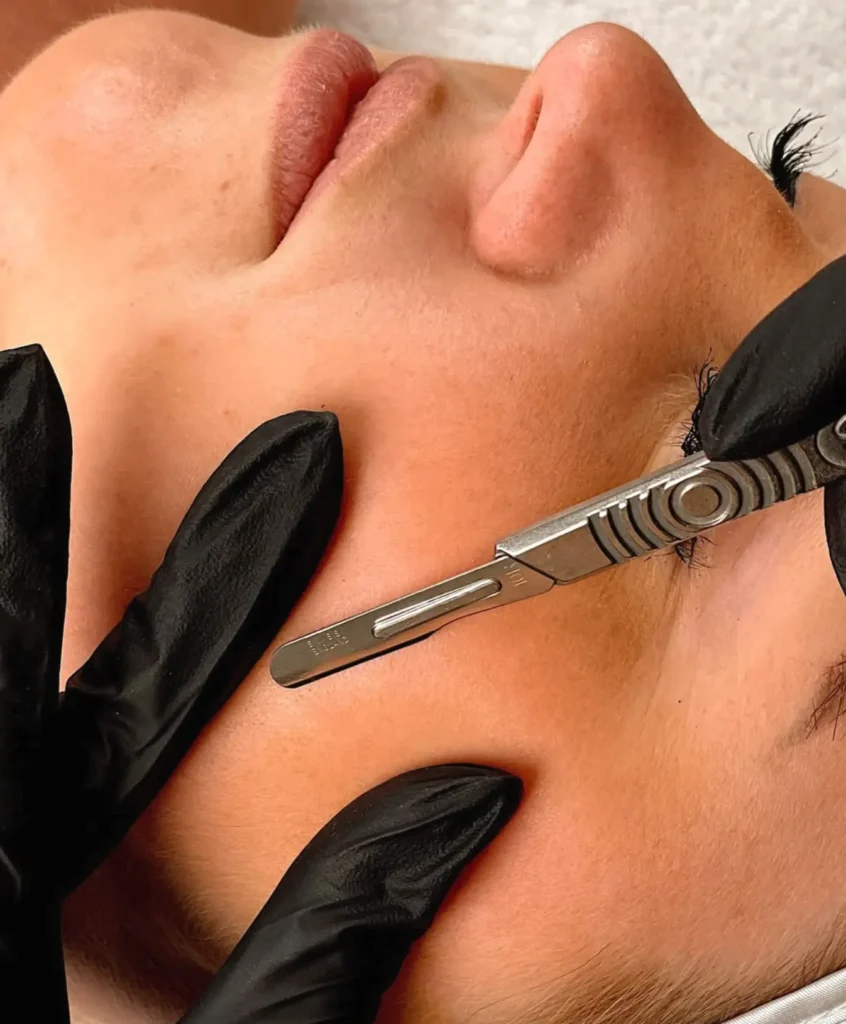
How to Prep:
- Avoid retinol, AHAs or intense treatments for 3–5 days
- Don’t exfoliate or scrub
- Come in with clean, moisturised skin (but no makeup)
Aftercare Tips:
- Avoid sweating, swimming or sun exposure for 48 hours
- Use a gentle, soothing moisturiser
- Reapply broad-spectrum SPF daily
Let your skin air dry after washing and avoid harsh actives for 5–7 days. It’s all about protecting that fresh, undamaged skin layer.
Common Myths — Busted
“It causes hair regrowth”
Nope. It removes hair at the surface — not the root — and doesn’t affect hair growth or hair regrowth patterns.
“It’s just shaving”
It’s not a cheap hair removal hack. Dermaplaning uses a sharper tool (often a straight-edge razor or oscillating blade) under controlled conditions, not an affordable razor or electric razor.
“It hurts or causes skin irritation”
With a licensed professional and the right tools, it’s painless and safe for most skin types, even sensitive skin.
Who Should Avoid Dermaplaning?
It’s best to skip if:
- You have active acne, inflamed skin or scars from acne
- You’re dealing with irritated skin or sensitive skin types
- You’re prone to ingrown hairs or bumps around hair follicles
- You have a darker skin tone with pigment-related concerns
Always check with a cosmetic dermatologist or healthcare provider for personal advice.
Real Clients, Real Skin
One Brisbane bride booked in every 3 months before her wedding. Result? Brighter skin, better foundation wear, no patchiness.
Another client with flaky skin and dull complexion swapped her cheap razors for professional treatments. She saw clearer skin and fewer ingrown hairs after 2 sessions.
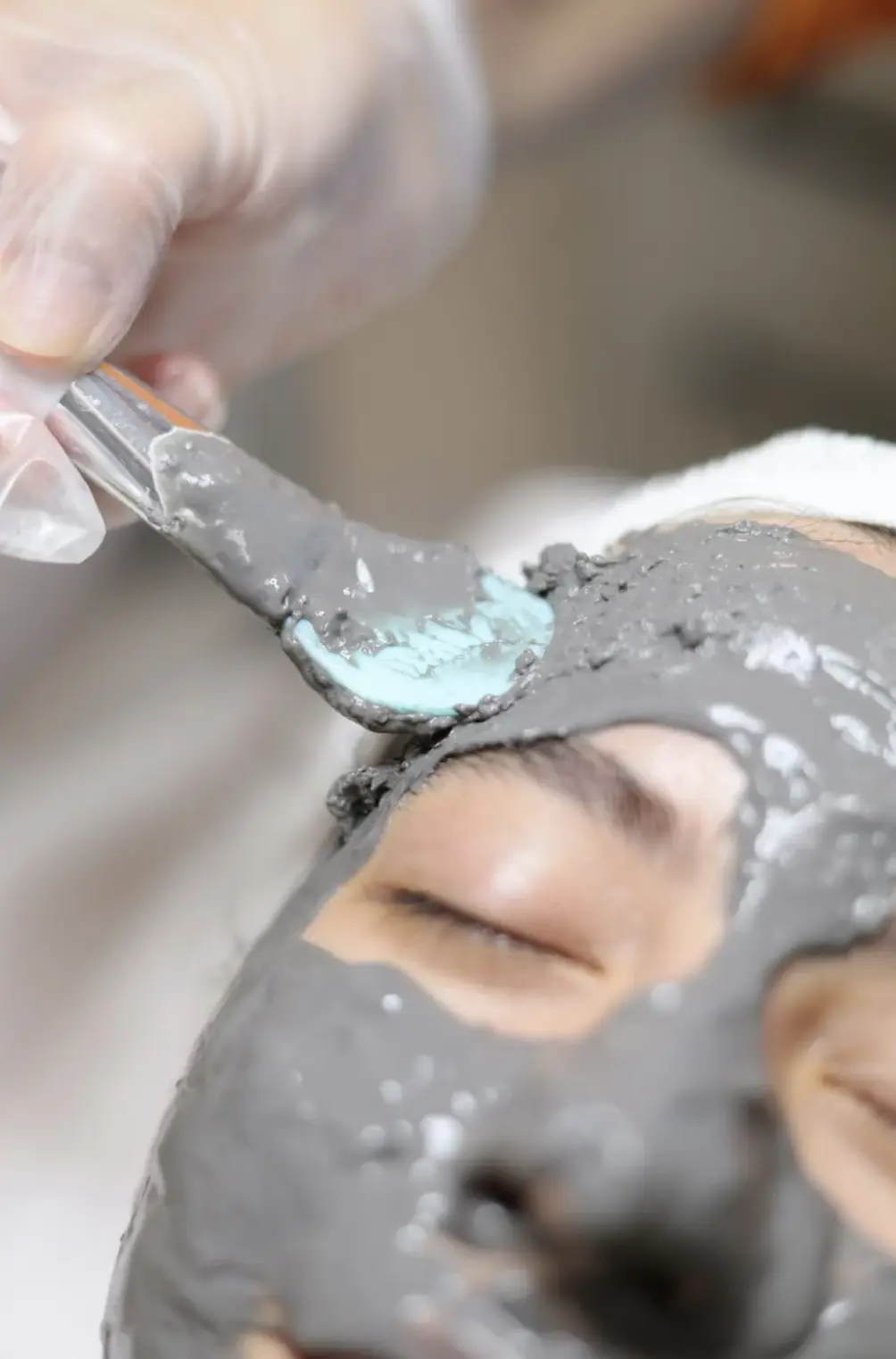
Dermatology Meets 2026 Practice
By 2026, dermatology-backed guidance has become more nuanced around dermaplaning. While most dermatologists agree it’s a safe, low-risk exfoliation when performed correctly, they increasingly position it as a surface-level optimisation treatment, not a corrective one. In clinics like skin needling at The Facial Hub, professionals often explain that dermaplaning improves glow and product absorption, but does not stimulate collagen or address deeper structural skin concerns.
As a result, many dermatologists now recommend pairing or alternating dermaplaning with regenerative treatments for longer-term change. Data from 2026 shows higher patient satisfaction when dermaplaning is followed by collagen-focused procedures such as skin needling at The Facial Hub, allowing clients to enjoy immediate smoothness while also supporting deeper skin renewal over time.
Final Thoughts
If you’re looking for brighter skin, fewer facial hairs or a skin-safe way to tackle dullness, dermaplaning might be your go-to treatment.
Just book with a board-certified dermatologist or trained practitioner, follow prep guidelines and take care post-treatment. Trust your skin — and your skincare provider.
Still got questions? Book in with us at Cosmetic Tattoo Brisbane Studio Face Figurati, or pop us a message or drop by our Brisbane studio. We’re always happy to chat about skin concerns, smoother skin and safer solutions.
FAQ
Can I do dermaplaning at home?
Technically, yes — but quality tools and training matter. Without a licensed professional or professional-grade tools, there’s a higher risk of uneven exfoliation or skin irritation.
How often should I get dermaplaning?
Every 4-6 weeks aligns with natural cell turnover and maintains smoother skin.
Can I combine it with other skin procedures?
Yes, but space them out. LED therapy or soothing masks work well. Don’t dermaplane before chemical peels or more intense treatments.
Is numbing cream needed?
Nope! Most people find it comfortable. But if you’re super sensitive, discuss options with your aesthetic dermatologist.
Is it a risky skin care procedure?
When done professionally, it’s safe. But like any cosmetic treatment, results vary depending on skin type, skin barrier health and the healthcare provider.