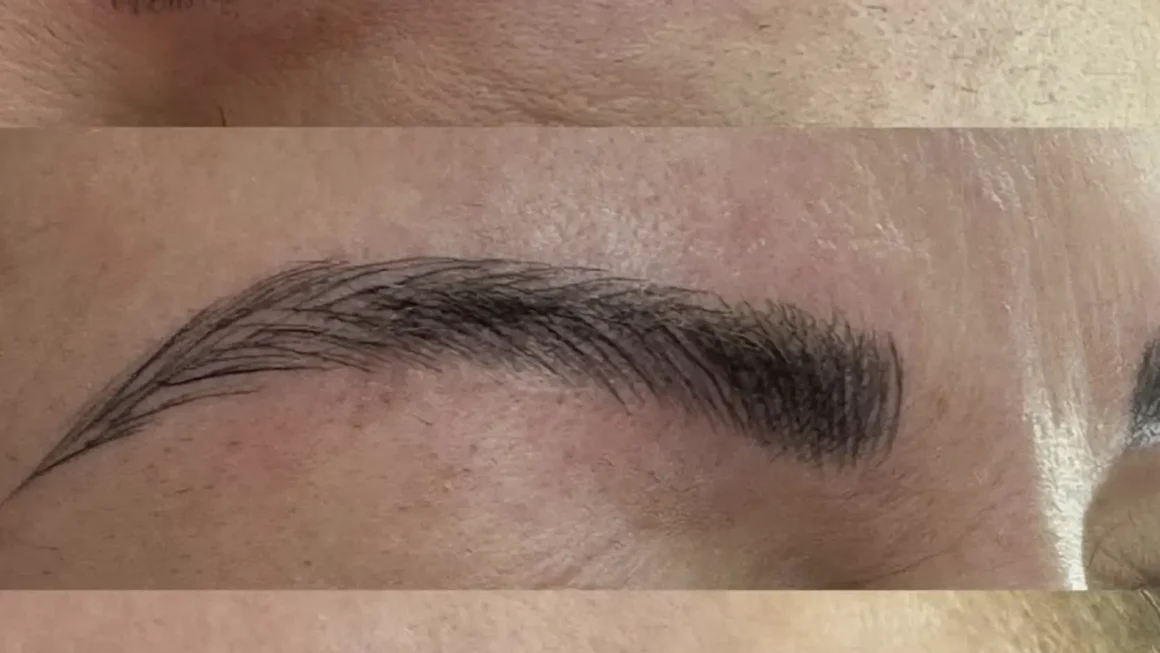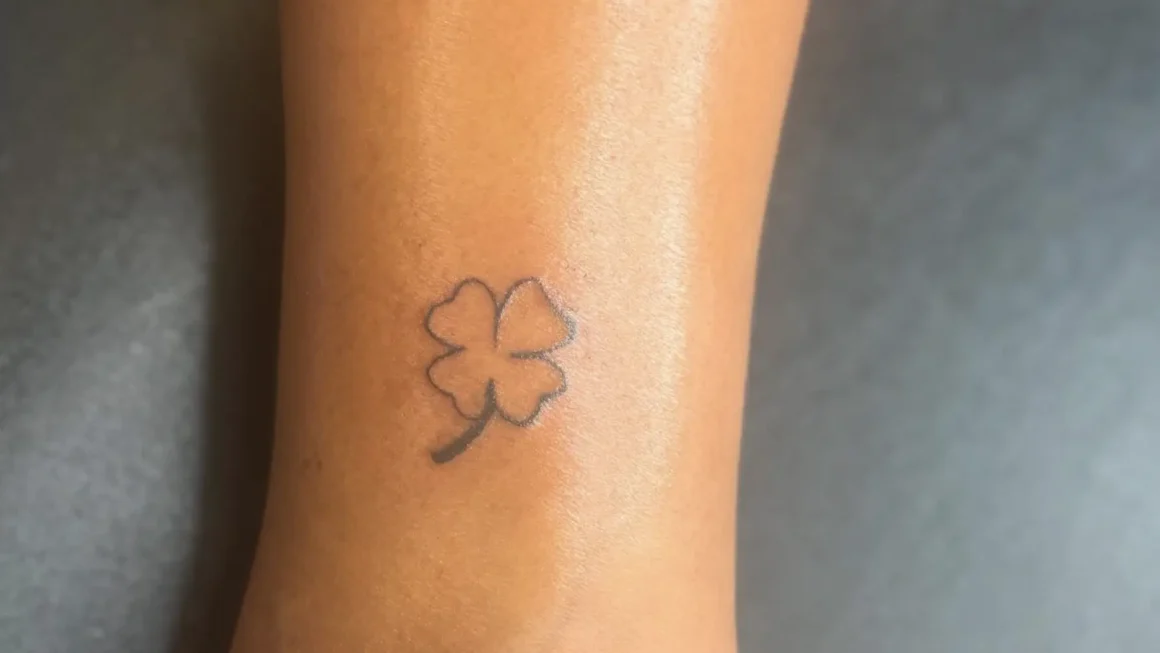
So you want me to paraphrase this for you? If so, you’re not alone. Fine line tattooing has blown up in Melbourne and beyond with Gen Z clients wanting dainty designs that look like art straight from Pinterest. But before you buy your first tattoo machine or start lining up clients, let’s answer the most important legal question: Do I need a tattoo licence to do fine line tattooing in Australia?
As someone who has trained dozens of cosmetic tattoo artists and seen countless DIY setups pop up on Instagram profiles, I’m here to give you the facts — not the fluff.
Licensing laws: what the rules say
Before you even pick up a tattooing machine, you need to know this: yes, you do need a Tattooist Licence to tattoo in most of Australia. Whether you’re doing traditional body art tattooing, cosmetic tattooing or fine line body work, you’re performing a skin penetration procedure. And that comes with rules.
Regulated by local health departments
Here’s a quick breakdown of what licensing usually involves:
| State/Territory | Tattooist Licence Required | Cosmetic Tattooist Licence Required | Health Premises Registration |
|---|---|---|---|
| VIC (Melbourne) | Yes | Yes | Yes |
| NSW | Yes (with background check) | Yes (also with a check) | Yes |
| QLD | Yes (criminal history check) | Yes | Yes |
| SA | Yes | Yes | Yes |
| WA | Yes | Yes | Yes |
| TAS | Yes | Yes | Yes |
| ACT | Yes | Yes | Yes |
| NT | Yes | Yes | Yes |
So if you’re in Melbourne and want to do Fine Line Tattoos (even if it’s a small wrist design or something semi-permanent like permanent makeup) you need:
- A personal Tattoo Master Licence (which includes a criminal history and background check, plus identification documents)
- A registered premises licence for wherever you’re operating (even if you rent a space or work from home)
- Bloodborne Pathogens and infection control training (often listed under the Tattoo Industry Act 2013)
No, doing it “just for friends” doesn’t make you exempt. If you’re charging money or running tattoo services as a business, the law applies.
What counts as fine-line tattooing?
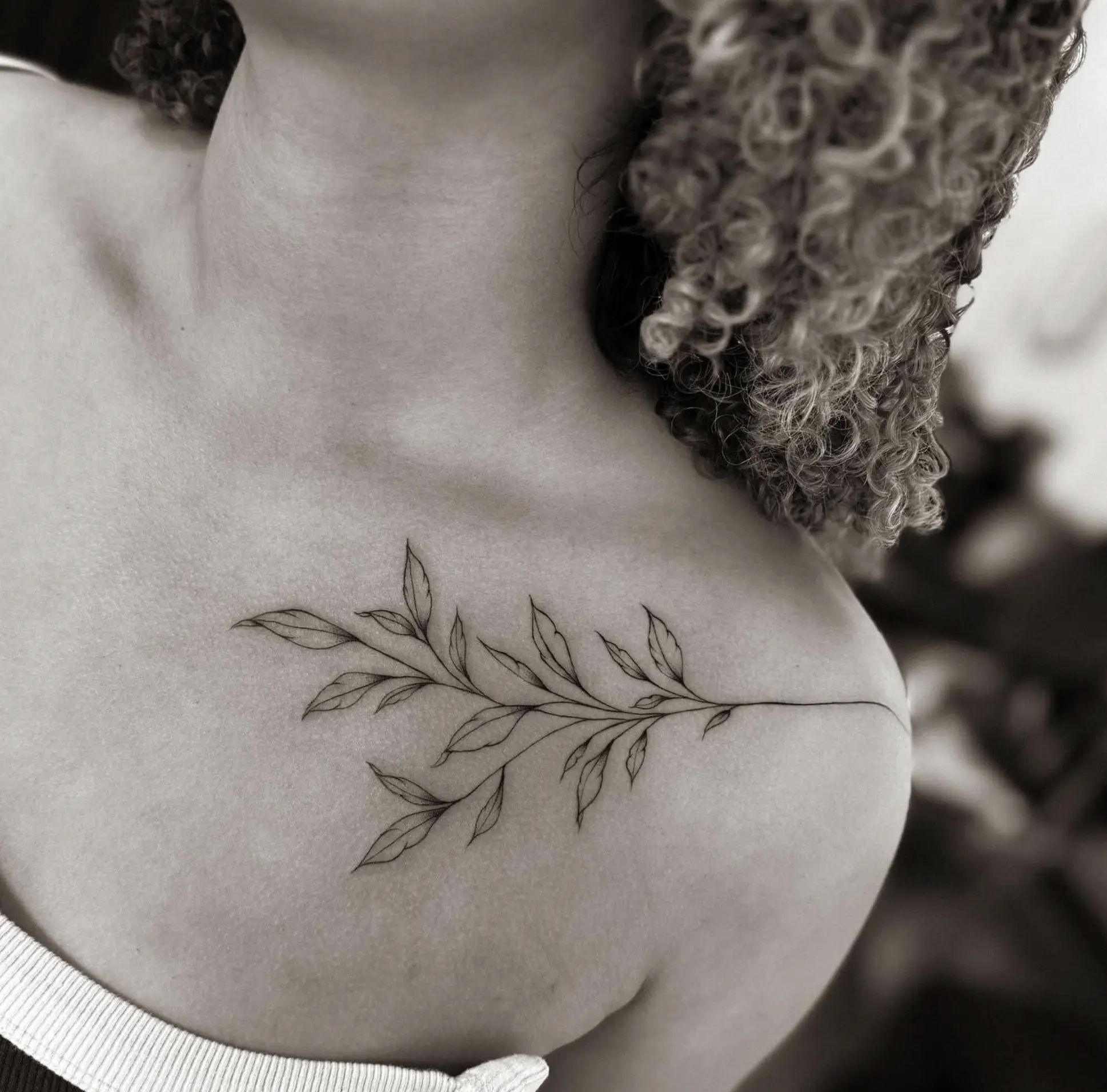
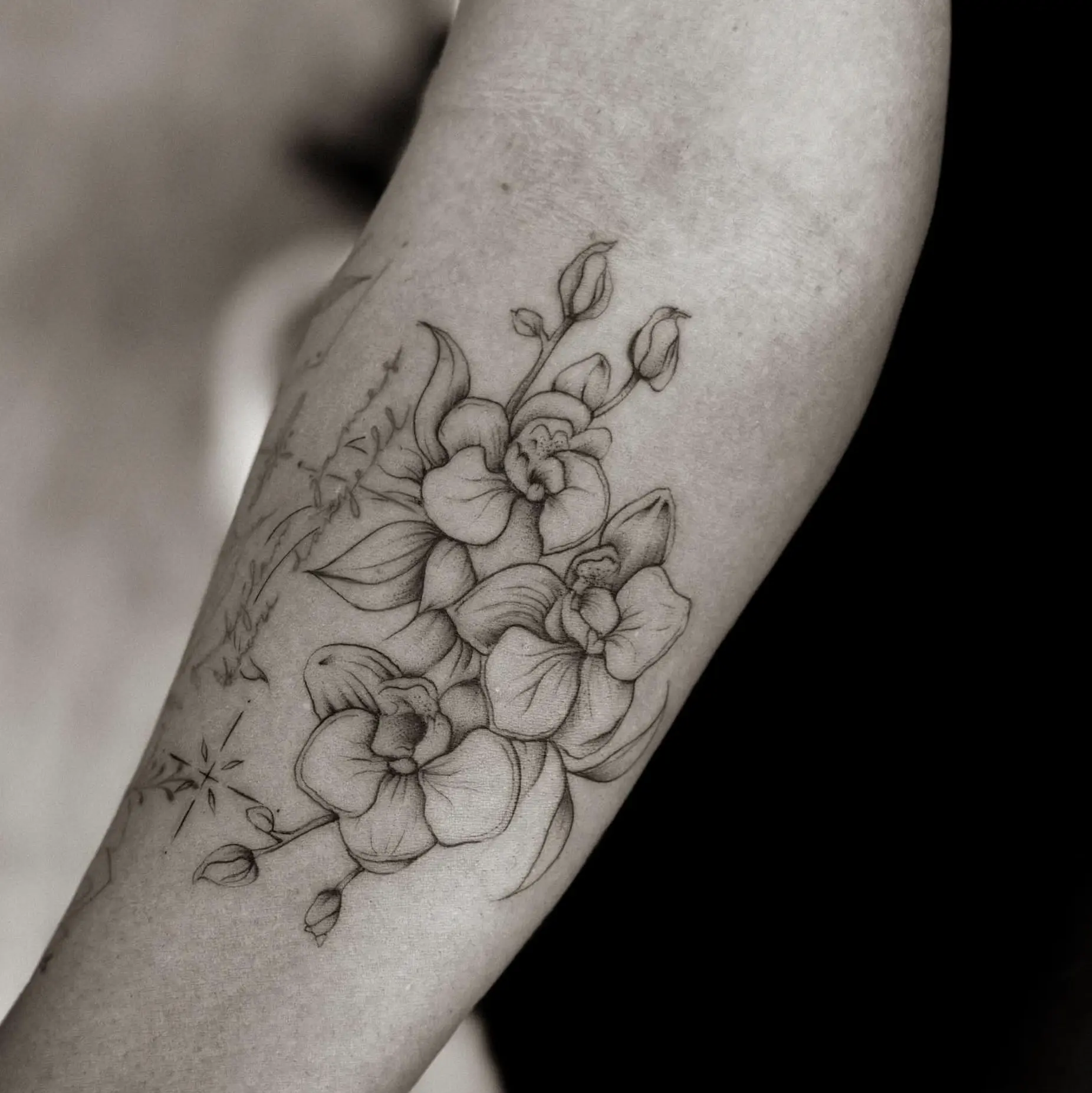
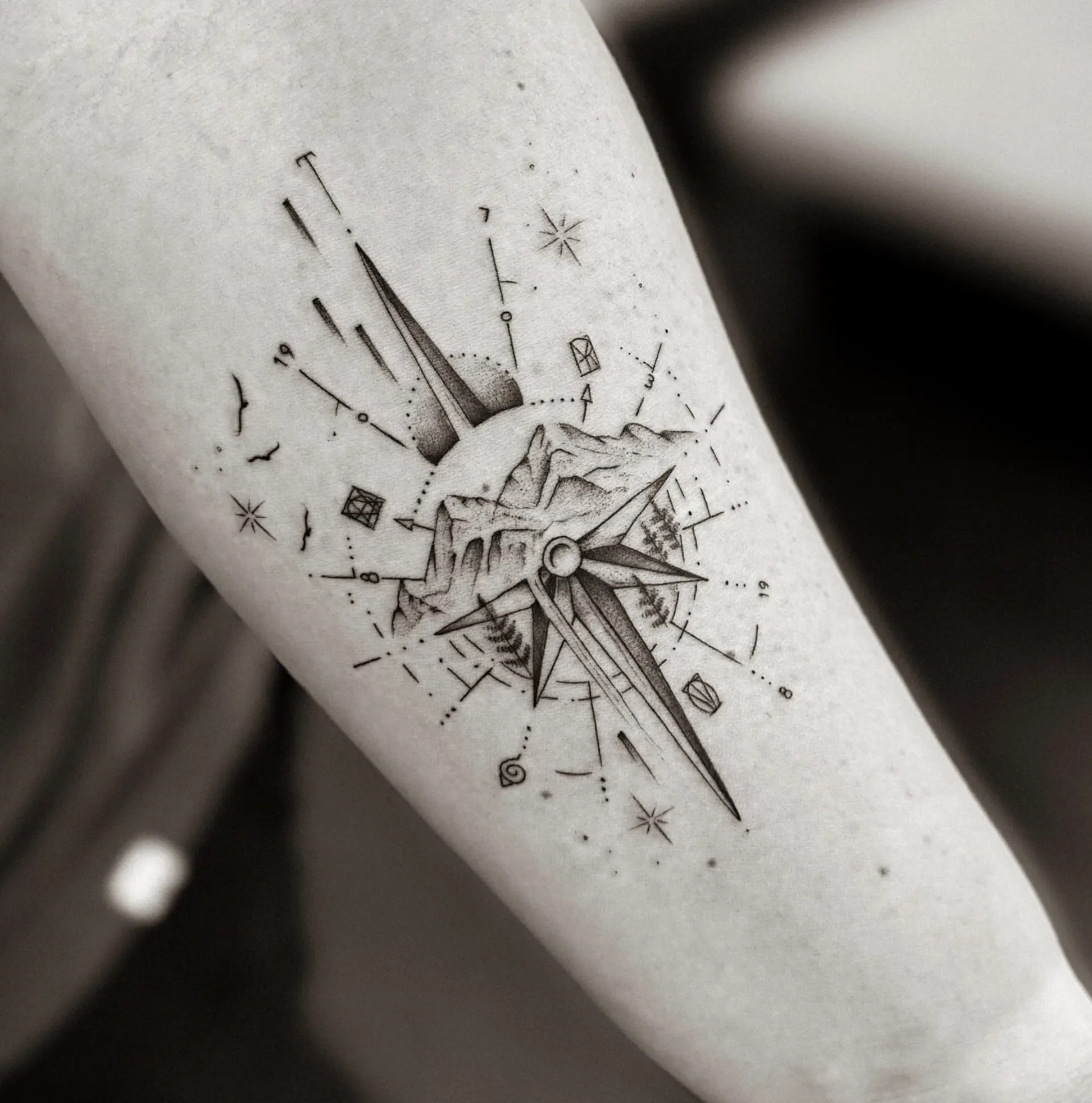
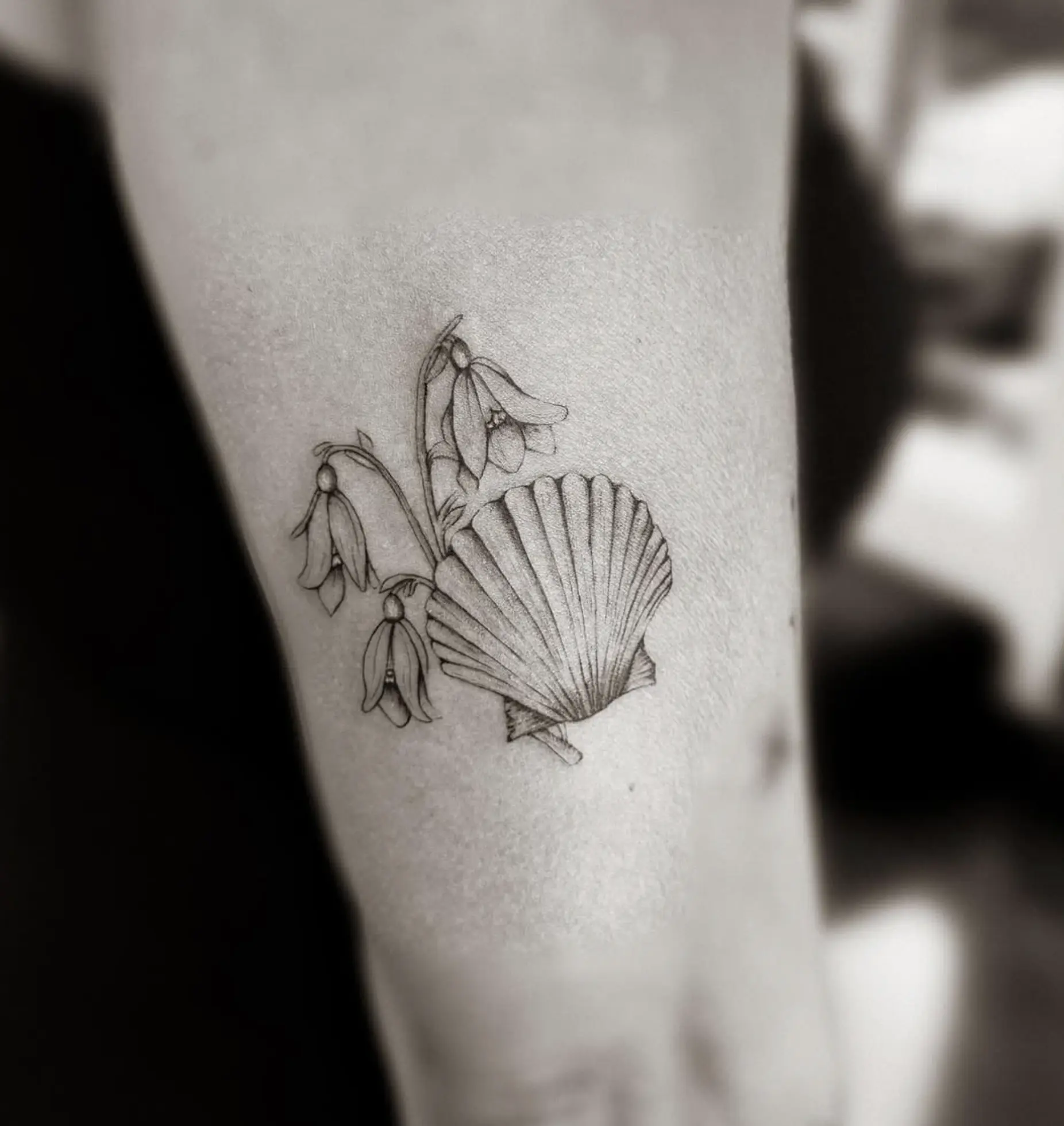
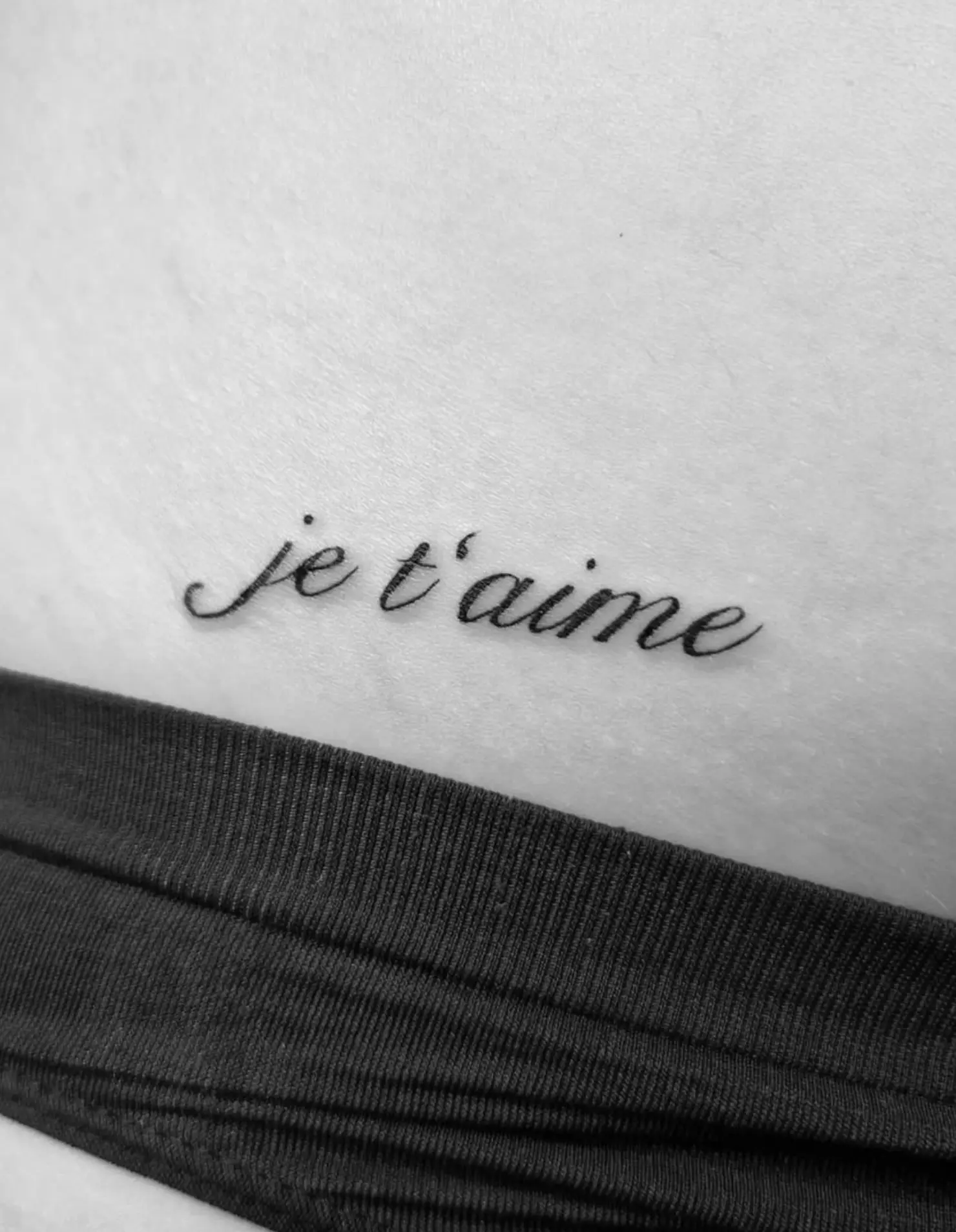
Let’s clear something up: fine-line is a style of artistic expression, not a separate legal category. Whether you’re doing single-needle tattoos or tiny script designs with Black Ink and a digital Fine Line Tattoo Machine, it’s still considered tattooing under Australian health regulations.
Common examples that fall under tattoo licensing:
- Micro tattoos
- Single-needle tattoos (10 x 1RL Needles, single needle setups)
- Minimalist body art symbols
- Custom designs and art styles
- Micro-realism or ultra-fine detail
Even if your work is dainty and minimal, it’s regulated the same as any large-scale body art in the tattoo industry.
Training: Is it required?
If you’re just starting out, enrolling in a fine line tattoo course can help you build foundational skills, understand hygiene protocols and develop the artistic precision needed for single-needle work.
Here’s where things get murky. While you don’t need a formal qualification to become a fine-line tattooist, most councils do require infection control training and will assess your competency before issuing a Tattooist Licence.
Recommended training options include:
- Infection control certification (HLTINFCOV001 or equivalent)
- Bloodborne Pathogens awareness and sanitation & sterilisation protocols
- Hands-on mentorships or apprenticeships in professional tattoo studios
- Skin theory, anatomy of the skin, wound healing modules
- Full procedure demonstration with focus on hygiene practices and PPE (Personal Protective Equipment)
Practice on practice skins, use proper needle configurations, and make sure you understand machine setup, needle selection, and tattooing procedures before going near real skin.
What happens if you tattoo without a licence?
Short answer? Fines, shutdowns and legal headaches. Here’s what we’ve seen in real-world Melbourne cases:
- Fines over $10,000 for tattooing without a registered health premises
- Legal action for unhygienic procedures or tattooing minors
- Clients getting pseudomonas infections from unclean spaces
- Studio bans and denial of future licensing applications
Tattooing without a licence isn’t just bad for your reputation — it’s dangerous. Safety and hygiene aren’t optional.
Mobile or home studios?
Running tattoo services from home or mobile setups? You still need to:
- Register your premises with the local health unit
- Follow strict hygiene protocols and sterilisation procedures
- Use approved sharps containers and sanitation practices
- Have washable, disinfectable surfaces like silicon mats and clean zones
Your kitchen bench won’t cut it. Health inspectors know what to look for.
How to get licensed in Melbourne
If you’re in Melbourne and ready to go legit, here’s the step-by-step:
- Apply online for a personal Tattooist Licence via the Department of Health
- Submit your infection control certificate and relevant safety documentation
- Register your studio space (this includes mobile or home-based tattoo studios)
- Pay the application fee and complete any council inspections
You’ll also need to prove you’re not associated with criminal organisations as per the Tattoo Industry Act 2013.
The rise: 2025 trends
According to 2025 data from the Australian Tattooing Alliance, Fine Line Tattoos now account for more than 40% of all new bookings. The rise of digital fine-line tattoo machines, custom designs and quick client sessions is changing how new tattoo artists enter the industry.
Hot trends include:
- Demand for tattoo balm/glide and pigment holder upgrades
- Use of Tattoo Printers for precise stencil placement
- More PMU artists adding facial waxing & tinting as combo services
- Artists specialising in minimalist black ink single-needle work
Clients today want safe, licensed and trained professionals who can deliver clean lines and fast healing time.
Final thoughts from the studio
Here’s the no-BS wrap-up: Yes, you need a licence to practice fine line tattooing in Australia. Whether you’re working with tattoo ink on ankles or permanent makeup for lips, it’s regulated body art.
At Cosmetic Tattoo Studio Face Figurati in Melbourne, we see too many clients needing correction work from untrained artists. It doesn’t just hurt the client — it hurts the tattoo industry.
If you’re serious about becoming a tattoo artist:
- Train with pros
- Respect hygiene regulations
- Build a clean, safe workspace
- Build your portfolio before you start taking paid work
This can be a rewarding, creative and financially stable career — but only if you treat it like the profession it is.
FAQs
Can I tattoo without a licence if I’m not charging money?
No. Whether it’s free or paid, you’re still performing a skin penetration procedure that needs to be regulated.
Does cosmetic tattooing fall under the same rules?
Yes. Cosmetic tattooing (PMU) is regulated like all body art and needs licensing and infection control.
How long does it take to get licensed in Melbourne?
2 to 6 weeks, depending on your paperwork, health inspection and training completion.
Is fine-line tattooing safer than traditional tattooing?
Not necessarily. Smaller needles still carry risks of infection, improper healing or pigment issues if not done with proper hygiene.
Can I learn fine-line tattooing online?
You can start with theory and watch videos on machine techniques, but in-person training and mentorship are essential to learn safe and effective tattooing procedures.