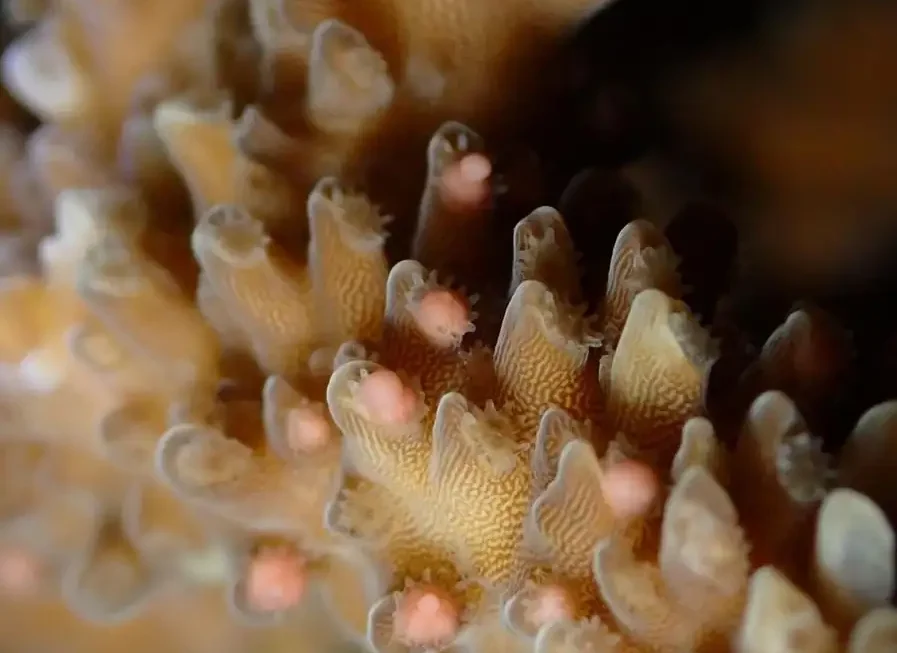
Coral Spawning 2026 Night Dives – the perfect opportunity to witness the reef kick into high gear with a mass release of egg & sperm bundles that drift upwards like underwater clouds after the full moon. This incredible phenomenon in the Great Barrier Reef is key to reef survival, genetic diversity, and the overall strength of the entire marine ecosystem.
So here’s the lowdown: you’re looking at late November 2026. Book yourself onto a 3 – 5 night liveaboard out of Cairns with a reputable operator – people like Great Barrier Reef Tours – make sure you’ve got the night scuba diving experience down pat, & be flexible with the weather. Spawning is tied to the lunar cycle, not your flight schedule, so get your timing right.
Let’s break it down properly: from the science to the logistics.
What’s Really Going On Under The Water
Coral reefs don’t just breed randomly; most of the reef-building coral species do it through broadcast spawning, releasing egg and sperm cells in perfect sync a few nights after the full moon. Temperature, daylight hours and seasonal patterns all play a part as triggers.
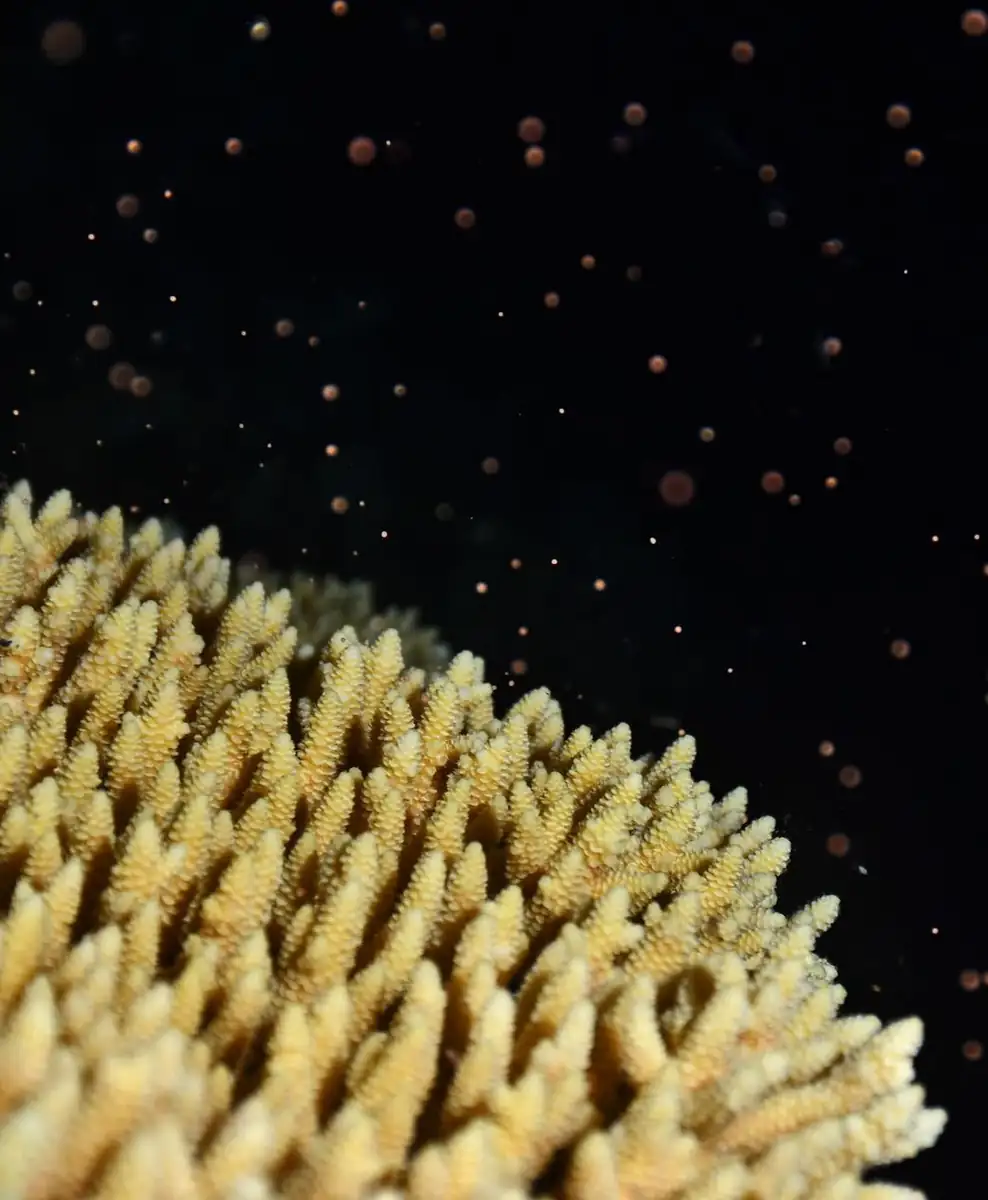
Marine biologists have clocked over 130 different coral species all spawning together at the same time on parts of the Great Barrier Reef. Species that are strictly male or female release egg & sperm bundles that rise through the water column, split apart, & then drift to the surface to settle & help regenerate the reef.
Without this annual release of gametes, genetic diversity just wouldn’t get a chance to mix properly. Biodiversity takes a hit, food chains get all out of whack & reef survival goes down the drain.
Thats what we mean by ecosystem health in action
Get The Nov 2026 Full Moon Right In Your Diary
The November full moon in 2026 falls on November 24th, subject to some fine-tuning as we get closer to the year. On the Great Barrier Reef, spawning usually goes down 4 – 8 nights after that full moon.
So that puts the most likely window at:
28 Nov – 2 Dec 2026
The exact timing does shift a bit between reef systems depending on local water temperatures, & climate change has had some effect on seasonal patterns in recent years, but mass coral spawning still occurs every year across most of the reef.
The more nights you book, the better your chances are. One night is just taking a gamble.
Base Yourself In Cairns For Easy Reef Access
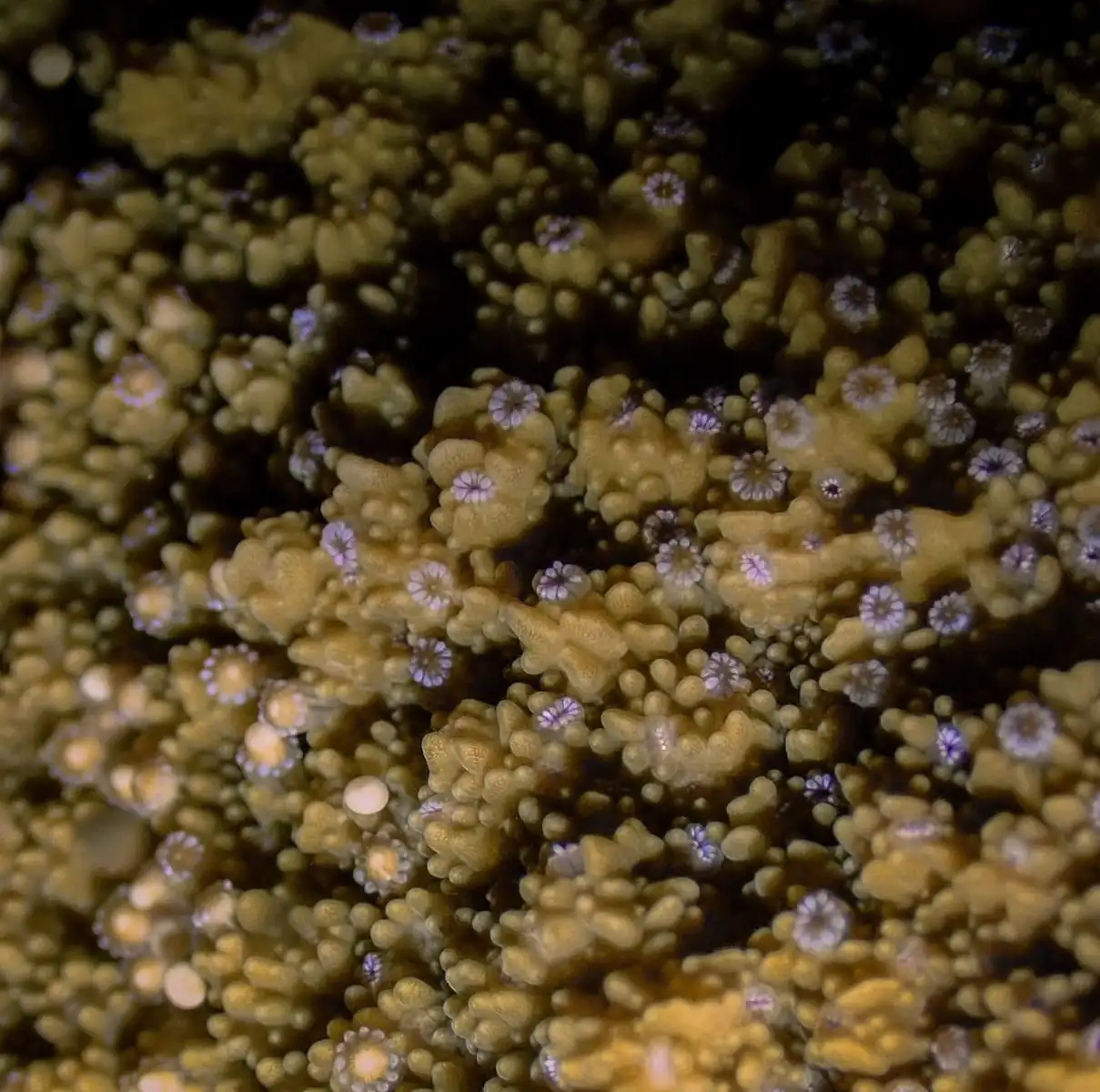
Cairns is still the top spot for getting serious about coral spawning. The operators all head out to the outer reef marine protected areas, where the coral cover is thicker, and the lights from the mainland are way off in the distance.
Companies like Great Barrier Reef Tours are working with predicted spawning nights and water temperatures to get their liveaboard schedules just right. Don’t be surprised if you have to pay a marine park fee as part of the deal – the cash goes towards reef conservation and the like.
You might hear some people going on about the Best Islands of the Great Barrier Reef for snorkelling and lounging on the beach, but when it comes to coral spawning, you need to be on the offshore reef systems with healthy coral cover rather than some resort island. The Best Islands are great for a day of swimming in the lagoon and soaking up the sun, but coral spawning is all about getting to the deep reef structure and seeing the best of the biodiversity – not about sipping cocktails on the jetty.
Choose A Liveaboard For Night Dives
Spawning can start any time after sunset, and day boats get back to the dock before that. A 3 or 5-night liveaboard gives you the chance to:
- See multiple spawning nights while you’re out there
- Have some flexibility if the weather gets in the way
- Get out to a bunch of different reef sites
- Get a proper safety briefing for night diving – it’s not a time to be messing around
When you talk to an operator about going on a spawning trip, ask them about how many spawning seasons they’ve been out on and what kind of data they’re using to predict when the spawning is going to happen. Experience counts for a lot here.
What You’ll See During Spawning
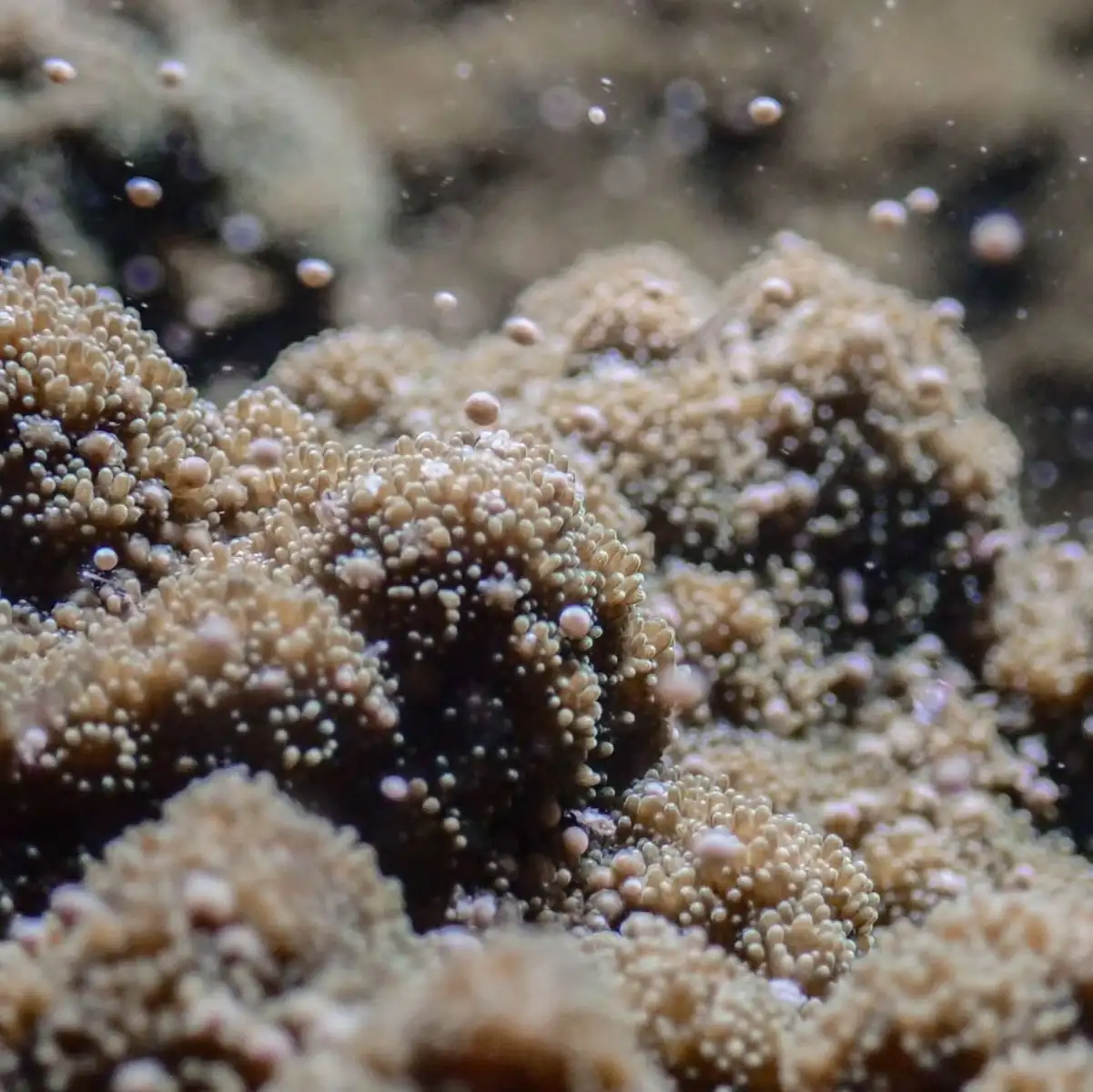
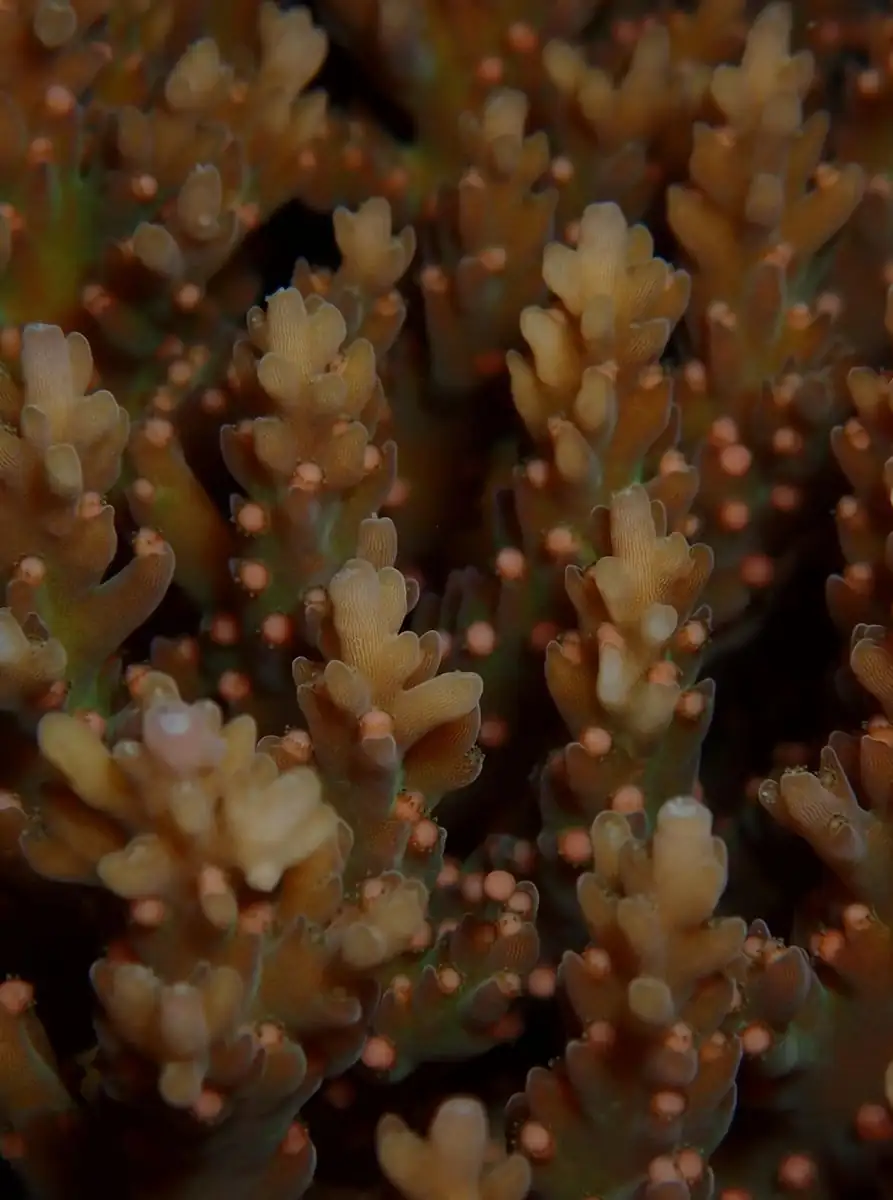
It’s a pretty subtle build-up, but then you start to see the fish moving around as usual, and suddenly you see these tiny spheres rising from the coral colonies.
Within a few minutes, the whole reef is releasing eggs and sperm in big waves, and the water column is just filling up with coral eggs drifting down. The brittle stars are stretching out of their crevices to grab some food, and the planktivorous fish are shooting in and out of the light of the torches.
It’s not exactly a fireworks display – it’s actually a pretty precise bit of biology.
Being there in the middle of it all and seeing the whole reef renew itself right before your eyes is an experience you won’t forget. It’s a real privilege to witness that.
Certification, Safety And Getting Ready
Make sure you’re being honest with yourself – can you really handle a night dive?
You’ll need to have:
- Advanced Open Water certification under your belt
- Some actual experience with night scuba diving
- Your buoyancy is sorted, so you’re not bumping into anything
The visibility on a night dive is always going to be an issue, especially when you’ve got egg and sperm cells floating around everywhere, and the currents can shift on you at any time.
Before you go, consider getting some dive-specific insurance – organisations like Diver Alert Network can help out if something goes wrong. And always, always follow your dive master’s instructions.
Conditions in Late November – What to be Preparing For
Late November in Far North Queensland is still in the thick of the tropical build-up that comes just before the wet season really gets going.
You can expect:
- Water temperatures to be around 26-28°C, nice for a swim
- High humidity that will make you feel like you’re stuck in a sauna
- Pop-up storm cells that can spring up out of nowhere
- Rolling seas if those north-easterly winds from the Coral Sea decide to kick up
And then there’s the cyclone alert situation between November and April to keep an eye on – most spawning trips run pretty smoothly, but being flexible is key.
So pack up some reef-safe sunscreen for those sunny days when you’re on the surface – the last thing we need is for a bunch of chemical runoff to harm those fragile marine ecosystems.
Smart Budget Planning Tips
Prices for 2026 look like they’re going to be pretty steep, so here are some rough estimates to keep in mind:
- 3-night liveaboard: $1,200 – $1,900 AUD
- 4-5 night expedition: $1,800 – $2,800 AUD
- Equipment hire: $30-$60 per day
And for goodness sake, book those flights into Cairns as soon as you can – they can get pretty pricey in the lead up to summer, and you’ll want to be locked in 9-12 months ahead of time to avoid getting stuck with a huge bill.
And if you’re planning to come for the spawning – well, you’re in for a treat, but spots get snapped up fast, so don’t delay
The Bigger Environmental Picture
Coral spawning is super important – it helps keep the genetic diversity of the reef strong and helps the reef as a whole to bounce back from things like bleaching events linked to climate change. When you’re down there on the reef, remember that you’re part of a really big conservation effort – it’s not just a pretty dive.
And the marine protected areas along the Great Barrier Reef? Those are a big deal – they help reduce pressure on the reef from overfishing and invasive species, which makes a real difference to the reef’s health. Plus, with reef conservation programs in place, the chances of success when it comes to coral recruitment go way up.
Spawning is pretty much a Species Survival Plan unfolding right before your eyes.
AVOID These Common Pitfalls When Booking Your Trip
Over the years, I’ve seen a bunch of travellers make the same mistakes when planning their spawning trip. They:
- Book just one spawning night and think that’s enough
- Try to wing it and skip refresher dives before they arrive
- Ignore any sort of seasickness preparation, and then end up miserable
- Plan to fly out the morning after their last dive – totally not the way to spend your last night in paradise
Give yourself some breathing room, and remember that the islands will still be there for you to enjoy after spawning is over – just be patient and focus on what you’re here to see.
Practical Packing Advice
Pack what you really need and keep it simple:
- A 3mm wetsuit for the cold water
- A backup dive torch in case your primary one fails
- A red light filter to preserve those underwater views
- Some seasickness tablets, just in case
- Reef-safe sunscreen for your skin and the reef
- Long sleeves for when those mozzies get you on the deck, trust us – they can be a real nuisance
- A dry bag to keep your camera gear safe and dry
And don’t forget to stay hydrated – high humidity can be really zapping
Witness That Incredible Coral Spawning
If you’re serious about seeing coral spawning in 2026, get your timing right, and that means making sure you’re on the reef during the late November full moon, book a reputable liveaboard, and plan to spend a few nights out there because it’s worth the wait.
You’ll get to see something truly amazing that helps coral reefs all around the world survive and thrive for generations to come – and it’s not just about ticking off a bucket list of places to visit. It’s about getting under the water and seeing just how quietly and precisely this stuff happens when you’re not looking.
Just make sure to plan it properly, show some respect for the reef, and you’ll come home knowing you actually saw something – not just read about it on a brochure.
FAQ
What Sets Off This Whole Coral Spawning Business?
A combination of the right lunar cycle timing, the right water temperature, and the right length of day all help coral species know when to let rip and release their eggs and sperm into the water.
How Long Does This Coloured Egg and Sperm Stuff Last Underwater?
It can last anywhere from 30 minutes to 90 minutes, depending on the time of year and the type of coral you are seeing.
Is This Safe For Divers?
As long as you’re with a licensed operator and in a marine protected area, and you’ve got the right qualifications, then you’re okay. Just make sure you follow all the briefing and safety guidelines.
Can Snorkellers See This Stuff?
To be honest, most of the action happens at depths that are more suited to scuba diving, so it’s unlikely you’ll see the whole thing if you’re a snorkeller.
Does This Help The Reef At All?
Absolutely – when coral species release their eggs and sperm and new coral starts to grow, it really does help keep the reef healthy and strong.